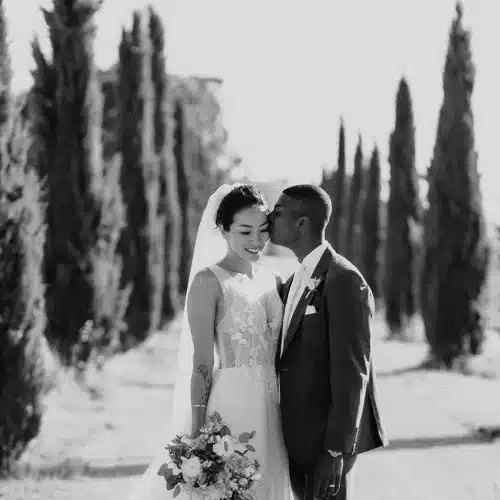
It has been almost 13 years since we took our first steps into the world of wedding photography. When we started our business as Duesudue in May 2013, becoming wedding photographers was never part of the plan.
At the time, we wanted to focus on mountain photography, document our travels, experiment with old photographic printing techniques, and create street poster projects. The stress of photographing weddings was something we were more than happy to leave to someone else.
Then, as it often happens, our first wedding came by chance. A couple of friends of friends asked us to photograph their wedding. They were organizing everything at the last minute, had a limited budget, and were happy to trust us to capture their day.
Even now, we still wonder how we managed to get through that first wedding without making a complete disaster.
The truth is that we were completely inexperienced. We only had one professional camera, a few lenses, and almost no idea of what a wedding day really meant for a photographer. We were incredibly lucky: the weather was perfect, it did not rain, and the couple was kind, relaxed, and lovely to work with.
Most of all, we had fun.
After that first wedding, our view of wedding photography changed completely. We realized that wedding photography could still be creative, personal, and deeply honest. We discovered that one single wedding day could include everything we loved about photography: reportage, portraiture, still life, documentary storytelling, emotion, and spontaneity.
All our prejudices disappeared in an instant.
Now, after photographing nearly 100 weddings, we can say with certainty that saying yes to that first opportunity was the right decision.
So, how do you become a wedding photographer?
We often receive emails from aspiring photographers asking how to enter the wedding industry. The same question appears again and again in photography groups and online communities. And the truth is that there is no single path.
Like any profession, there are many ways to become a wedding photographer.
We truly believe there is space for everyone in this industry, and we would never discourage anyone from trying to build a business in wedding photography. At the same time, we also see a lot of improvisation. Sometimes couples contact us asking if we can save badly shot wedding photos in post-production, and unfortunately that often comes from photographers who were simply not prepared.
If you are wondering how to become a wedding photographer, here are some of our most honest tips for getting started.


1. Start as a Second Photographer
One of the most sensible ways to become a wedding photographer is to begin by assisting or second shooting for someone more experienced.
No matter how talented you are, a real wedding day is unlike any other type of photography. It is fast, emotional, unpredictable, and impossible to repeat. You need to understand the rhythm of the day, the key moments to capture, how to move around guests, when to take the couple away for portraits, and how to handle pressure without missing anything important.
As you gain experience, you will naturally develop your own style and workflow. But in the beginning, understanding timing and responsibility is essential.
The biggest advantage of being a second photographer is obvious: you can learn a huge amount without carrying the full responsibility for the final gallery. You get to observe how an experienced photographer works, how they interact with the couple, how they choose lenses, how they manage difficult light, and how they make decisions quickly.
Of course, there is a downside. Many wedding photographers are understandably cautious about hiring someone with no wedding experience, because they have a responsibility to their clients. This can make it hard for beginners to find their first opportunities.
If you want to offer your services as an assistant or second photographer, here are a few important suggestions:
- Do not send generic emails. Wedding photographers recognize copy-and-paste messages immediately. Choose a few local photographers whose work you genuinely admire and write personal emails that show you actually know their style and their website.
- Do not get discouraged by rejection. Many photographers receive several assistant requests every month and simply cannot respond to all of them or offer work often.
- Join local wedding photography groups. Facebook groups and local communities can be a great way to meet photographers in your area and offer your help.
- Listen carefully. Every photographer expects something different from a second shooter. Your role is to support them, not just build your portfolio. If you are reliable and easy to work with, they are much more likely to call you again.

2. Attend Workshops, but Use Them Wisely
Another common step for people trying to understand how to become a wedding photographer is attending workshops.
One of the biggest obstacles for beginners is building a portfolio. Couples naturally want to see wedding photos you have already taken, but if you have never photographed a wedding, you have nothing to show. That is why many aspiring photographers attend workshops or styled shoots to create images for their portfolio.
There are definitely some advantages. Workshops can help you meet other photographers, learn new techniques, gain confidence, and practice without the pressure of a real wedding. They can also be useful if you want to improve a specific skill such as posing, lighting, or marketing.
But there are limits too.
A workshop does not show you what a real wedding day feels like. It does not teach you how to handle stress, adapt to unexpected situations, or work around real emotions, family dynamics, timelines, and changing light. A styled shoot is not the same as a real wedding.
Good workshops are often expensive, so it is worth thinking carefully before booking one. Ask yourself what you actually want to learn. Do you need help with lighting? Posing? Client communication? Branding? Not all workshops are the same.
Try to choose workshops based on the areas where you feel weakest. And most importantly, do not build a misleading portfolio. Use workshops to improve your skills, but do not present styled shoot images as real weddings on your website. That difference will become obvious as soon as you start working with real couples.


3. Take the Leap, but Be Honest
This advice may sound contradictory after everything we said above, but if you really want to learn how to become a wedding photographer, at some point you simply have to try.
You have to take the leap.
That does not mean being reckless. It means being honest, prepared, and realistic.
If you already have solid photography skills, know your camera inside out, can work confidently in different lighting conditions, and have experience photographing people or events, then maybe you are ready to photograph your first wedding.
And remember: every single wedding will teach you something new. Always.
If you decide to take your first wedding booking, there are a few things you absolutely need to do:
- Be honest with your clients. Tell them clearly that you are at the beginning of your experience in wedding photography. Your price should reflect that. Setting realistic expectations protects both you and the couple.
- Consider hiring an assistant or second photographer. Even if it costs you money, a second person can be invaluable on your first wedding day. They can help with logistics, notice moments you might miss, carry equipment, support you emotionally, and maybe even save the day.
- Get organized. There is no excuse for being unprepared. Have a contract, a detailed timeline, phone numbers for the couple and key people, and a clear understanding of all locations for the preparations, ceremony, and reception. Arrive early. Know the schedule. Be ready for emergencies.
- Practice as much as possible. Photograph parties, baptisms, graduations, family events, and engagement sessions. These experiences help you become more comfortable working with people, managing fast situations, and shooting in difficult locations such as churches or dark venues.
The first wedding is always a jump into the unknown. But if you prepare properly and treat the couple with honesty and care, it can also be the start of something meaningful.
Final Thoughts on How to Become a Wedding Photographer
If you are asking yourself how to become a wedding photographer, our advice is simple: learn, assist, practice, and then begin.
There is no perfect moment, and there is no shortcut that can replace experience. Start small, stay humble, keep improving, and be honest with yourself and your clients. Wedding photography is demanding, but it can also be one of the most rewarding forms of photography because it combines emotion, storytelling, beauty, and human connection in a way that very few other genres can.
We never planned to become wedding photographers. And yet, one unexpected opportunity changed everything.
Sometimes that is exactly how the best journeys begin.
Learn how to become a wedding photographer through real experience, practical advice, and honest tips for beginners. From second shooting and workshops to building a portfolio and photographing your first wedding, this guide shares the essential steps to start a career in wedding photography with confidence.